More and more often, I come across interesting posts on social media about the romanticization of toxic relationship dynamics. Pop culture is more than happy to help with that, wrapping dysfunction in big, glossy romance.
If you're also drawn to uncertainty packaged as chemistry, jealousy disguised as love, and the hot-and-cold game sold as passion, then this article is for you. Today we're trying to understand why it's easier to label as love something that is, in reality, a roller coaster for the nervous system.
Table of Contents
The dopamine of drama: why uncertainty becomes addictive in toxic relationships
One of the most deceptive parts of toxic relationships is that they aren't constantly bad. Sometimes they're incredibly good and that's exactly what makes them dangerous. The tension - fight - make-up cycle creates a rhythm that gets stored in the body as intensity. And intensity is easy to confuse with depth. And even when we don't confuse the two, the brain still craves something happening and that something often comes from intensity.
Pop culture loves this because it looks great on screen. Stories like After are built almost entirely around that loop: conflict, a big rupture, a grand gesture, reconciliation, getting pulled back in and then it starts all over again. That same roller-coaster feeling can register as romantic for a lot of viewers, because the story keeps your nervous system running at high speed.
Pop culture storytelling and the romanticization of toxic relationships
In a healthy relationship, conflict exists, but it's not the conflict itself. Many films/series/books, however, want relationship drama because it works. It's fast, quotable, easy to comment on, easy to binge. Success is often built into the formula.
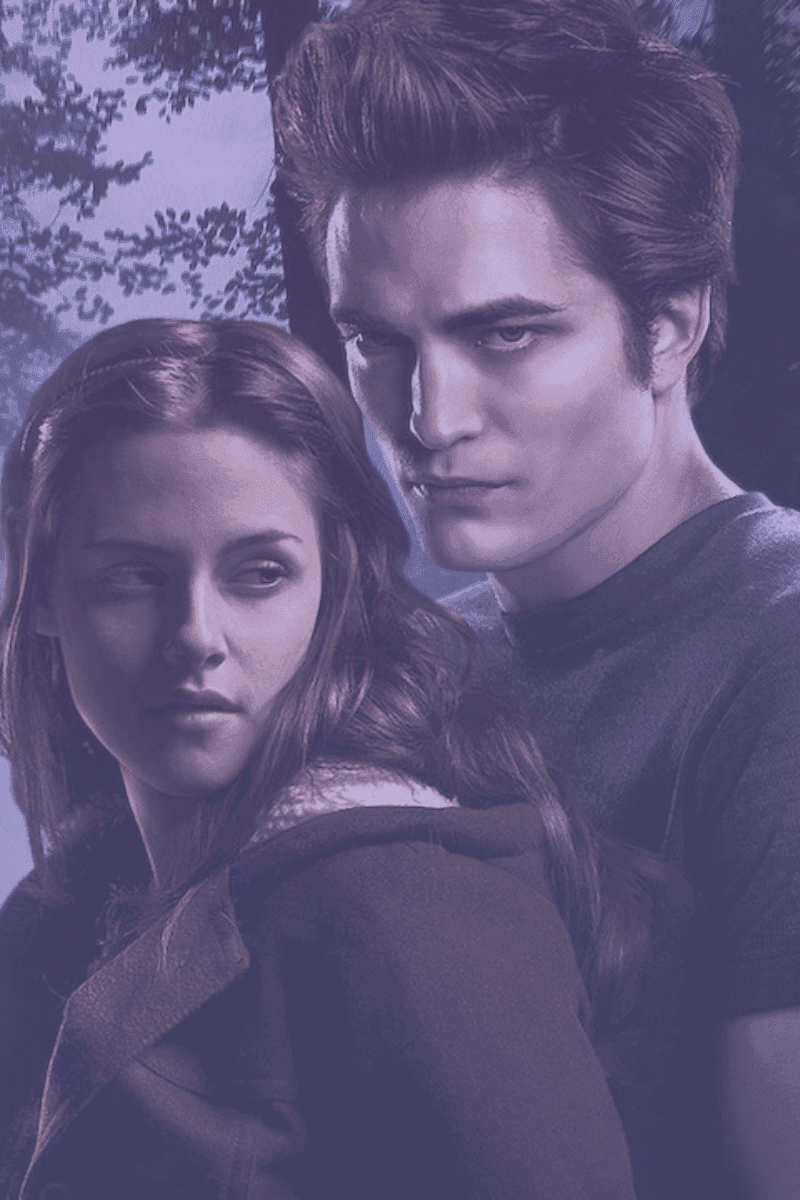
One classic fatal love story almost everyone has heard of. In its romantic plot, there are plenty of elements that would be questionable at best in real life (obsession, heavy control, "I can't live without you"), yet the mood, the music, and the visual aesthetic all send the same message: this is romantic because it's destiny and it's dangerous.
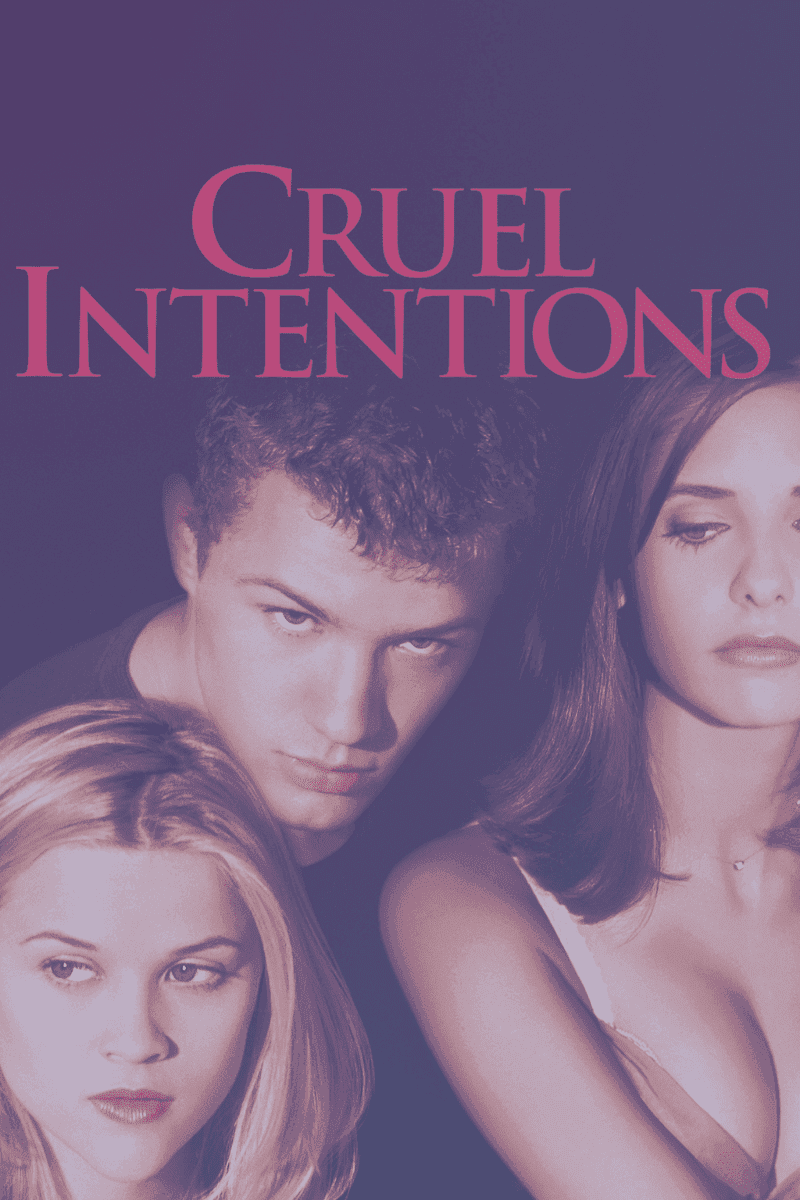
Manipulation, mind games, power moves and still, for many viewers it remains an iconic romance, because the film serves destruction with such elegance and style that it's easy to mistake it for chemistry.
In a way, it makes sense otherwise the entertainment industry would collapse. Stable relationships are hard to tell as a story without people feeling like nothing happens. In toxic dynamics, the plot writes itself.
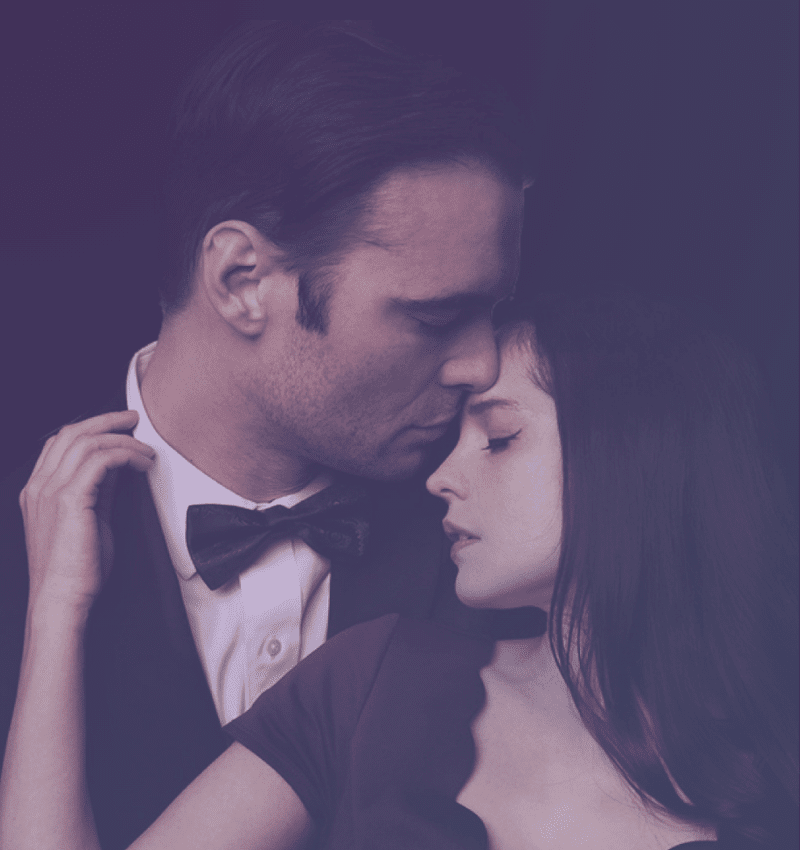
A story that isn't necessarily pop culture in that way. There's toxicity - plenty of it - but the psychological development is genuinely well built. The director aimed for something more realistic, something audiences claim to want: a detailed transformation, including what happens after the toxicity starts to dissolve. We can't call the film series a total failure, but if you look closely at the feedback, many people were bored. Why? Because the growth was shown slowly, step by step, closer to how it happens in real life, without the constant sharp cuts and dramatic spikes that fully hook the brain.
"I can fix him/her"
One of the most dangerous forms of romanticization is when the story whispers: "He's/she's like this because they're hurt... but you'll be the one they change for."
That's why the wounded, controlling, emotionally closed-off character trope works so well. The viewer/reader is given a mission they can live through alongside the characters: if you're good enough, they'll open up. And along with that mission comes an identity: I'm special, they chose me, I saved them.
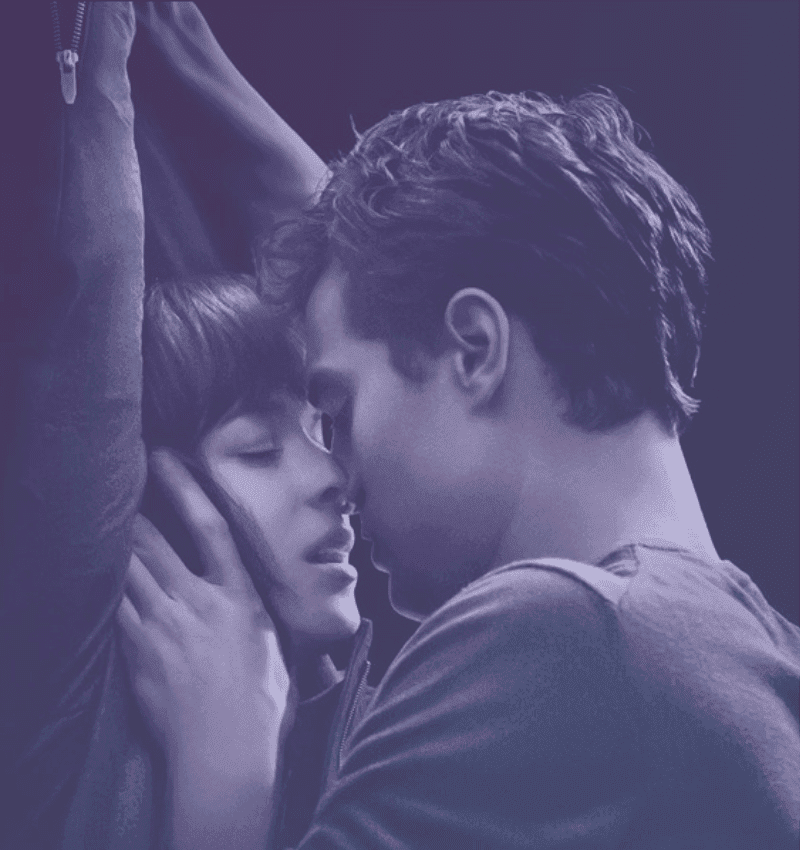
Among modern romantic franchises, it's controversial for exactly this reason. For some it's fantasy; for others it dangerously normalizes situations where power, control, and boundary-crossing are pushed into the romantic zone. And it's a separate conversation what standards it helped set culturally. The real issue isn't eroticism, it's who holds the control, how free the choice actually is, and what happens when the other person says no.
"Red flag, but hot" - when the algorithm writes the romance of toxic relationships
Social media adds another layer. In the world of short videos, extremes get rewarded. Normal, consistent, healthy communication doesn't go viral. People chase reach like their life depends on it. Meanwhile, "they disappeared, they came back, now they're texting again," "they hurt me, but it feels good", gets views.
Neither the algorithm nor the entertainment industry is optimized for your happiness, they're optimized for your attention. Just because something has huge reach doesn't mean it's true, but it's very easy to normalize a story that millions of people consume.
Why are we drawn to what hurts?
For many people, toxic relationships don't feel romantic because they consciously want pain, but because the pattern is familiar. If you grew up in an environment where love was conditional, attention was unpredictable, and safety wasn't guaranteed, chaos can start to feel like home. It keeps you in a comfort zone, even when that comfort is toxic.
That's why, until you work on yourself, it can be hard to view on-screen stories clearly, stories that set impossible standards and may end up hurting you even more.
Fantasy vs. reality: why toxic relationships work in stories and fail in real life
In books and movies there's a hidden seatbelt: the author. The author decides whether the character grows, apologizes, changes, and whether the ending delivers catharsis. Real life doesn't come with a guaranteed arc. If someone repeats the same behavior again and again, that isn't dramatic character development, it's a pattern. And you can't change that pattern without their willingness.
In pop culture, toxic relationships often look sexy because we consume them in a controlled environment. But what feels exciting on a screen can quickly turn into anxiety and harm in real life, because real life isn't controlled.
Where's the line?
If you take one thing from this article, let it be this: some things in real life aren't romantic, they're dangerous. You need to recognize situations before you start idealizing them. There are intense dynamics that aren't destructive, but it's crucial to know the difference.
At the beginning, I said everyone can decide for themselves whether the dynamic called toxic is good or bad. I still stand by that, but only if you can clearly separate real life from stories contained within a scripted frame.
In real life, it's usually not passion but a problem when your partner:
- controls you (who you see, what you wear, what you post),
- punishes you with silence / disappearing / coldness,
- sells jealousy as love,
- humiliates or belittles you, or convinces you that you're the problem,
- repeatedly crosses your boundaries and then calls it romantic.
Love can be intense, but it doesn't need fear, superiority, or one person disappearing along the way.
The romanticization of toxic relationships is, ultimately, a cultural confusion
We mistake drama for love because it's louder, while in real life, quiet can be far safer.
The biggest plot twist isn't when someone changes for you. It's when you realize love can be powerful without destroying you.