Medication or Therapy?
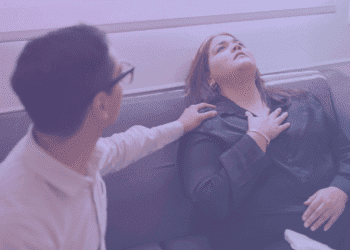
Psychology and psychiatry have extremely effective tools today - but when is each one needed? Today we will see some of panic disorder treatments.
If you already know you're dealing with panic disorder, the next question comes up inevitably: what can be done about it? The good news is that very effective tools exist. The less good news: many people are afraid to ask for help.
A lot of people tell themselves: "I don't want to become dependent on medication," or "I'm not crazy enough to go to a psychologist." But treatment doesn't necessarily mean taking medication for life - and I think we can agree that someone who goes to therapy isn't crazy. Quite the opposite.
Cognitive Behavioral Therapy (CBT) as panic disorder treatment
According to international protocols, the most effective long-term treatment for panic disorder is Cognitive Behavioral Therapy. Many people believe therapy is only about talking about the past and childhood. CBT is far more practical - this type of therapy is basically a training program for the brain.
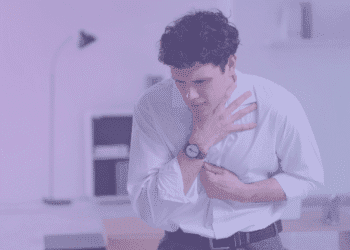
The brain of someone with panic disorder can mistakenly interpret harmless bodily signals as catastrophes - for example, a stronger heartbeat = heart attack. CBT targets exactly this pattern and rewrites it.
Panic disorder treatment for attacks triggered by thanatophobia
Even though thanatophobia is not panic disorder itself, it can trigger it - more specifically, spontaneous panic. In most anxiety disorders, the formula is simple: the brain sounds a false alarm. Therapy proves that the object of fear isn't real.
But what if someone isn't afraid of a delusion - what if they're afraid of the one undeniable fact: their own mortality? That's existential anxiety. The fear isn't irrational - the problem is that the thought becomes compulsive and paralyzing.
The more you fear death, the less you dare to live. Therapy helps you live not in the shadow of death, but with the awareness of it - still in the sunlight.
Medication: a crutch or a solution?
There are many myths about medication. It's important to distinguish between the two main medication groups used for panic disorder:
Never start medication based on a friend's advice or information found online. Only a psychiatrist can prescribe and adjust the right treatment - in the first weeks, SSRIs can temporarily increase anxiety.
Lifestyle changes and self-help techniques
While severe panic disorder is rarely solved with lemon balm tea alone, lifestyle changes are an essential complement to recovery:
- ☕Stop caffeine and alcohol Caffeine in any form speeds up the heart, which can signal emergency to the brain. Alcohol may reduce tension short-term, but the next day during withdrawal it can provoke a panic attack.
- 🌬️Learn diaphragmatic breathing During a panic attack we tend to breathe too fast (hyperventilation), which causes dizziness. Slow, deep belly breathing physically pushes the body toward calm.
- 🧘Autogenic training / relaxation With 15-20 minutes of daily practice, you can reduce the nervous system's baseline tension level - one of the best-documented self-help methods for panic disorder.
Summary
Which one should I choose?
The most important thing: don't choose alone. If you've recognized that you may have panic disorder, ask for help and set up your treatment together with your doctor. There isn't one single perfect path, but based on clinical experience, combined treatment is often the most effective.
| Severity | Recommended approach |
|---|---|
| Milder cases | Psychotherapy (CBT) + lifestyle changes - usually enough |
| Severe cases | Medication support + therapy in parallel; as skills improve, medication can gradually be tapered off |
| Thanatophobia | Existential psychotherapy, ACT or logotherapy - with focus on acceptance |
If someone from your family or friens is struggeling with penic disorder you can learn here how to react.
Know that you are not alone. Panic disorder is treatable - you don't have to live in constant fear of attacks and your own thoughts.